Glass Forging Lubricants
Glass Forging Lubricants
Protection, Insulation, and Lubrication During Hot Working
Advanced Technical Products supplies water-based, lead-free glass forging lubricants for demanding metalworking operations.
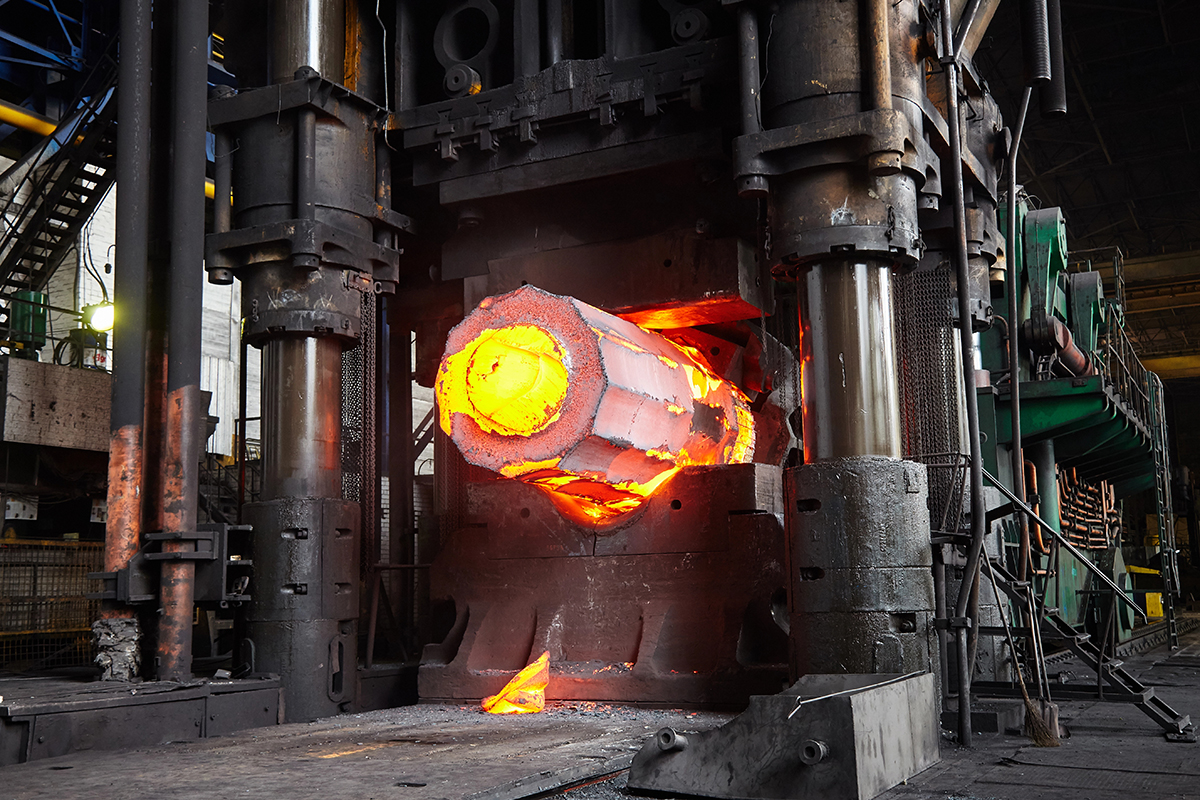
Applied before heating, Oxylub coatings help protect the metal surface, provide insulation, and support metal movement during forging and appropriate hot-extrusion processes.
Formulations for Demanding Alloys
ATP offers glass forging lubricants engineered to protect and lubricate high-performance metals during severe plastic deformation.
Titanium Alloys
Engineered to retard hydrogen pickup, control alpha-case formation, and protect billet surfaces under high forging temperatures.
Stainless Steels
Prevents galling, minimizes thermal shock, and supports uniform metal movement across austenitic, martensitic, and duplex grades.
Superalloys
Tailored viscosity and melting behavior for nickel-, cobalt-, and iron-base superalloys demanding thermal insulation and surface integrity.
Common Applications and Industries
Oxylub glass coatings deliver reliable die release, thermal barrier insulation, and surface defect reduction.
Titanium Forging
Protect and lubricate titanium during hot working. Selected formulations help control surface oxidation and retard hydrogen penetration.
Stainless Steel & Superalloy Forging
Support metal movement while helping reduce surface defects and subsequent finishing requirements.
Hot Extrusion
Provide protection and lubrication for applicable alloy extrusion processes during high-pressure forward/reverse pushing.
Aerospace Manufacturing
Support precision forging and extrusion operations involving materials used in aerospace components. ATP’s aerospace and forging applications include coating products that protect and lubricate workpieces during processing.
Performance Through Heating and Forming
Oxylub formulations offer comprehensive metallurgical protection across the entire furnace and deformation cycle:
- Lubrication: Supports smooth metal movement through complex die cavities
- Contamination Control: Controls surface oxidation and gaseous contamination in heating
- Handling Durability: High film strength before heating to resist shop handling damage
- Viscosity Options: Engineered rheology for application workability and film build
- Finishing Reductions: Potential reductions in pickling, blasting, and grinding costs
Results depend on the selected coating and processing conditions.
Application Options & Process Starting Point
Coatings can be sprayed, dipped, flow coated, or brushed. ATP can adjust formulations to address the application and hot-working requirements of your operation.
A useful product discussion begins with:
- Alloy chemistry & billet condition
- Heating and forging temperatures
- Furnace atmosphere & soak exposure time
- Preferred shop application method
- Current surface-quality or die-life concerns
Discuss Your Forging Process
Contact ATP to discuss an Oxylub formulation for your titanium, stainless steel, or superalloy operation. Our chemists and metallurgists will formulate a solution matched to your operating parameters.