The researchers used electrodeposition, chemical oxidation, and surface adjustment to create an ultra-hydrophobic Ni-Co/Cu nanocomposite lamination that can be applied on carbon steel surfaces.
Scanning electron microscope (SEM), X-ray diffraction (XRD), and water contact angle assessments were used to investigate the surface properties, structures, and wetting characteristics. Results showed that the water contact angle had increased to 158.61°, indicating an ultra-hydrophobic character.
Corrosion of Carbon Steel and How to Prevent It
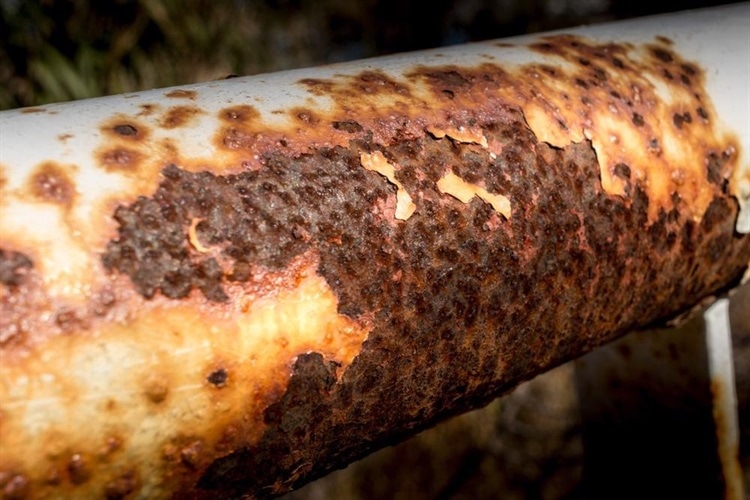
Due to its decent mechanical qualities and low cost, high-strength carbon steel is frequently employed in maritime engineering. However, its low corrosion resistance in even moderate operating settings restricts its applicability.
Corrosion may reduce load-bearing capacity by lowering its overall size or by pitting, resulting in massive economic losses and accidents.
Preservative coating or lamination is the most widely used anti-corrosive technology among contemporary corrosion prevention technologies, which include cathodic shielding, anti-corrosive materials, and coating. One of the most industrially feasible and cost-effective processes for producing metallic, alloy, and metal matrix nanoscale composite coatings is electrodeposition.
Use of Nickel-Based Nanocomposites
Nickel (Ni) is a popular type of electroplating metal. Primary drawbacks of electrodeposited Ni include its poor firmness and limited resistance to wear.
Read more: A New Super-Hydrophobic Coating to Prevent Seawater Corrosion of Carbon Steel